From Lahore to For You Page: How Pakistani Creators Cracked Gen Z's Algorithm
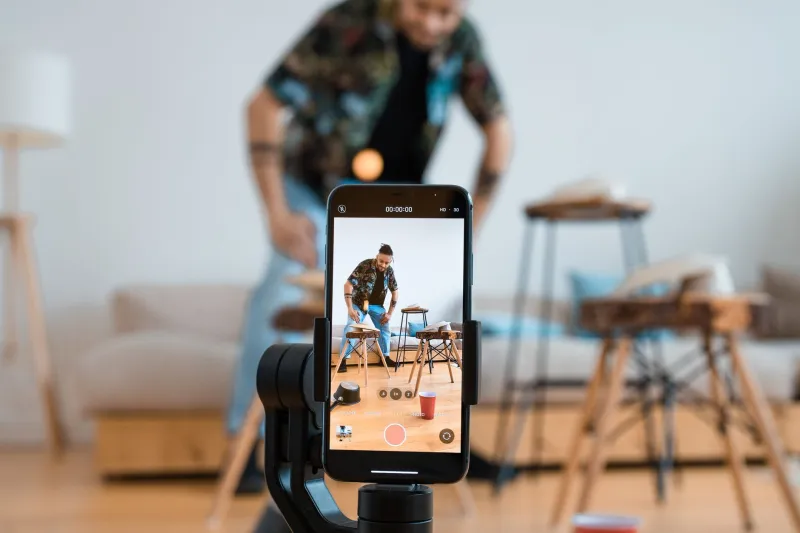
Somewhere between a chai vendor in Karachi and a teenager scrolling TikTok in Ohio, something clicked. Pakistani content creators — many of them making videos from small apartments, rooftops, and dhabas — are landing on American For You Pages at a rate that's turning heads across the influencer industry. And Gen Z, famously allergic to anything that feels fake, can't seem to get enough.
So what's actually going on here?
The Authenticity Thing Is Real — But It's More Than That
Every marketing deck in 2024 has the word "authenticity" in it. But Pakistani creators are pulling off something different from the carefully curated "authentic" aesthetic that US influencers have been packaging and selling for years. There's a rawness to the content coming out of cities like Lahore, Islamabad, and Karachi that doesn't feel engineered — because, largely, it isn't.
Take creators like Ducky Bhai, Mooroo, or the wave of newer micro-creators who've built massive cross-border audiences in the last two years. Their humor is dry, self-deprecating, and deeply rooted in everyday absurdity. A video about navigating a power outage, a chaotic family wedding, or the very specific pain of Pakistani traffic hits different when it's told with zero pretense. American Gen Z viewers, who grew up watching their favorite YouTubers slowly become brand machines, recognize the difference immediately.
"There's no brand deal energy," one 19-year-old viewer from Chicago told us. "It feels like watching your friend complain about their day, except their day is genuinely more chaotic than yours."
Humor That Travels — And Why It Works
One of the biggest myths in digital media is that comedy doesn't cross cultural lines. Pakistani creators are dismantling that idea video by video.
The humor coming out of Pakistan's TikTok scene tends to lean on universal frustrations — family pressure, economic stress, generational clashes — but delivers them through a lens that feels genuinely foreign to American audiences. That foreignness is actually the hook. Gen Z has been consuming the same five flavors of American internet humor for years. Pakistani comedy offers something texturally different: a different cadence, a different set of cultural references, a different relationship to irony.
There's also a generational energy to it. Pakistan has one of the youngest populations in the world, with a median age hovering around 22. The creators making this content are themselves deeply Gen Z — they understand the format, the pacing, and the emotional register that the algorithm rewards, but they're not mimicking American creators to get there. They're bringing their own world into the frame.
Storytelling With Stakes
Beyond the laughs, there's a storytelling tradition embedded in Pakistani content that American audiences are responding to in ways that surprise even the creators themselves.
Pakistani digital culture has long valued narrative — from the oral storytelling traditions that run through the culture to the massive drama serial industry that keeps millions glued to their screens. When that instinct for story moves onto TikTok, it produces content with actual arc and emotional weight. A three-part series about a creator's family moving cities, or a candid video essay about mental health stigma in a conservative household, carries genuine stakes. These aren't skits. They're dispatches.
American Gen Z viewers, who are increasingly drawn to documentary-style and "real life" content after years of oversaturated lifestyle vlogging, are eating it up.
The Diaspora Bridge Effect
It would be incomplete to talk about this phenomenon without acknowledging the role of the Pakistani-American diaspora. There are roughly 500,000 Pakistani Americans in the US, concentrated in metros like New York, Houston, Chicago, and the Bay Area. These communities act as cultural amplifiers — sharing, commenting, and boosting content from back home in ways that feed the algorithm and introduce creators to wider American audiences.
But here's the interesting part: the viewership isn't staying within the diaspora. Pakistani content is reaching white, Black, Latino, and Asian American Gen Z viewers who have no direct connection to Pakistan at all. That crossover is what's really turning heads.
Creators themselves are increasingly aware of this dual audience and are navigating it thoughtfully — keeping the content rooted in Pakistani reality while making sure the emotional core translates universally. It's a balance that, when it works, produces some of the most compelling content on the platform.
What American Influencer Culture Could Learn
The uncomfortable truth buried in all of this is that Pakistani creators are succeeding partly because American influencer culture has gotten so formulaic. The ring lights, the transitions, the "hey guys" openers — it's all become wallpaper. Pakistani TikTok offers contrast, and contrast is what the algorithm loves.
But it's not just contrast for contrast's sake. The creators making waves aren't trying to be "the Pakistani TikToker." They're just making content about their lives, their culture, and their world — and trusting that it's interesting enough to stand on its own. More often than not, they're right.
For American brands, marketers, and media companies trying to figure out what Gen Z actually wants, the answer might be sitting in a video filmed on a rooftop in Karachi at 2 AM. Unscripted. A little chaotic. Completely real.
And racking up views by the millions.